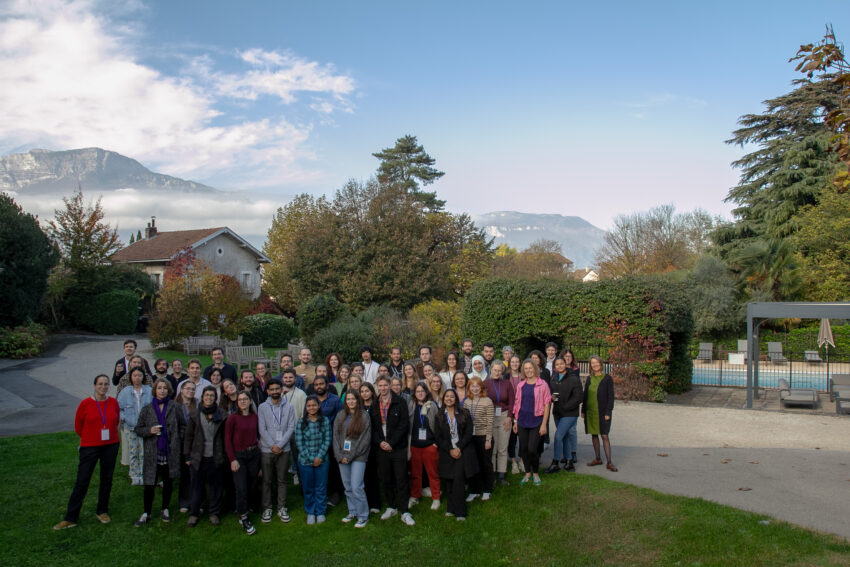
Between 4th-8th of November 2024 Emilia participated in the 4th FrenchBIC school on methods for studying metals in chemistry-biology in Grenoble.
The school gathered participants working in bioinorganic chemistry and related fields in a beautiful Le Chateau de la Commanderie. It provided an overview of current methodologies and their applications in studying metal ions, metalloenzymes, and metal‑dependent cellular processes. The sessions were designed to present how individual techniques work, what type of information they provide, and in which research contexts they are most effective.
52 young researchers had the chance to listen to classes given by leading reasearches including:
- Metals in biology: Clotilde Policar, ENS Paris, F
- Basics of coordination chemistry: Frederic Banse, ICMMO Paris, F
- Electronic Paramagnetic Resonance: Serge Gambarelli, SyMMES, Grenoble, F
- Nuclear Magnetic Resonance: Sabine Hediger, MEM, Grenoble, F
- Vibrationnal spectroscopies (Raman / IR ): Smilja Todorovic , Univ. Lisbon, P
- Absorption, Luminescence, CD: Emilie Mathieu, LCC Toulouse, F
- Mössbauer spectroscopy: Geneviève Blondin, LCBM, Grenoble, F
- X-ray absorption techniques: Pieter Glatzel, ESRF, Grenoble, EU
- Electrochemistry: Cyrille Costentin, DCM, Grenoble, F
- Cristallography of proteins: Christine Cavazza, LCBM, Grenoble, F
- Studying case: enzymes vs models: Jalila Simaan, ISM2, Marseille, F
- Mass spectrometry: Jana Roithova, Radboud Univ., NL
- Theorical chemistry: Ragnar Björnsson, LCBM, Grenoble, F
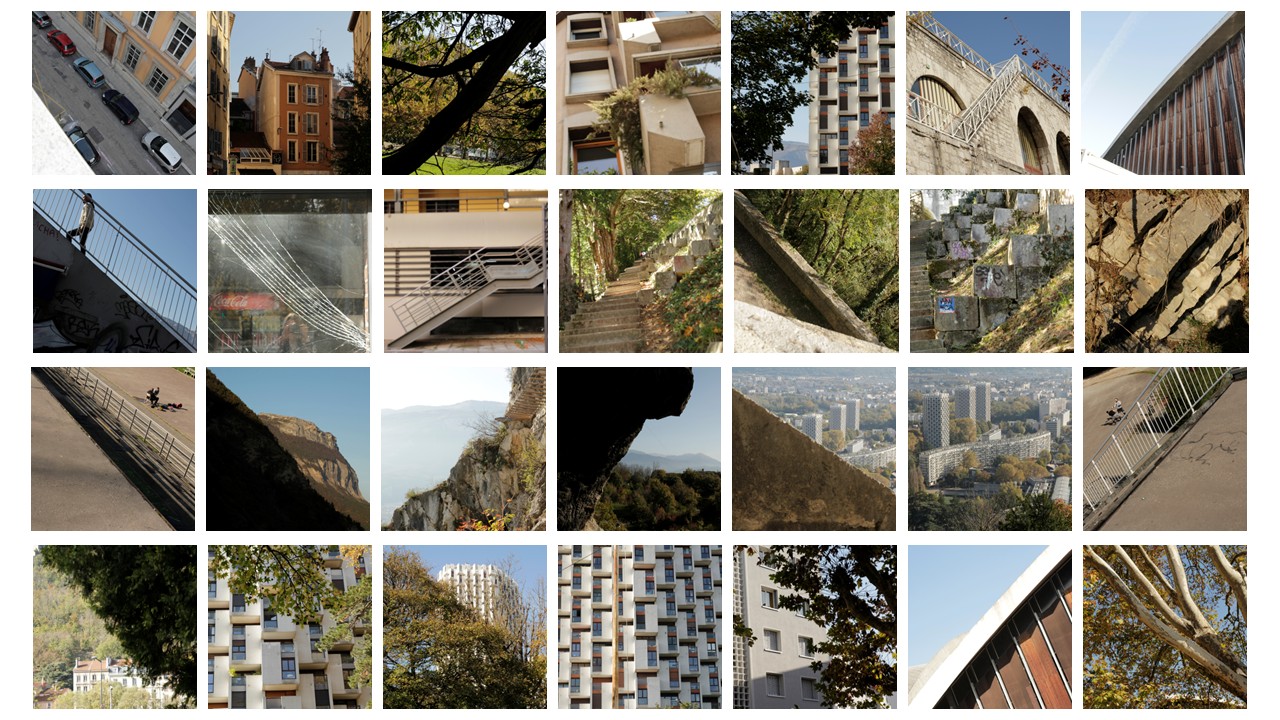
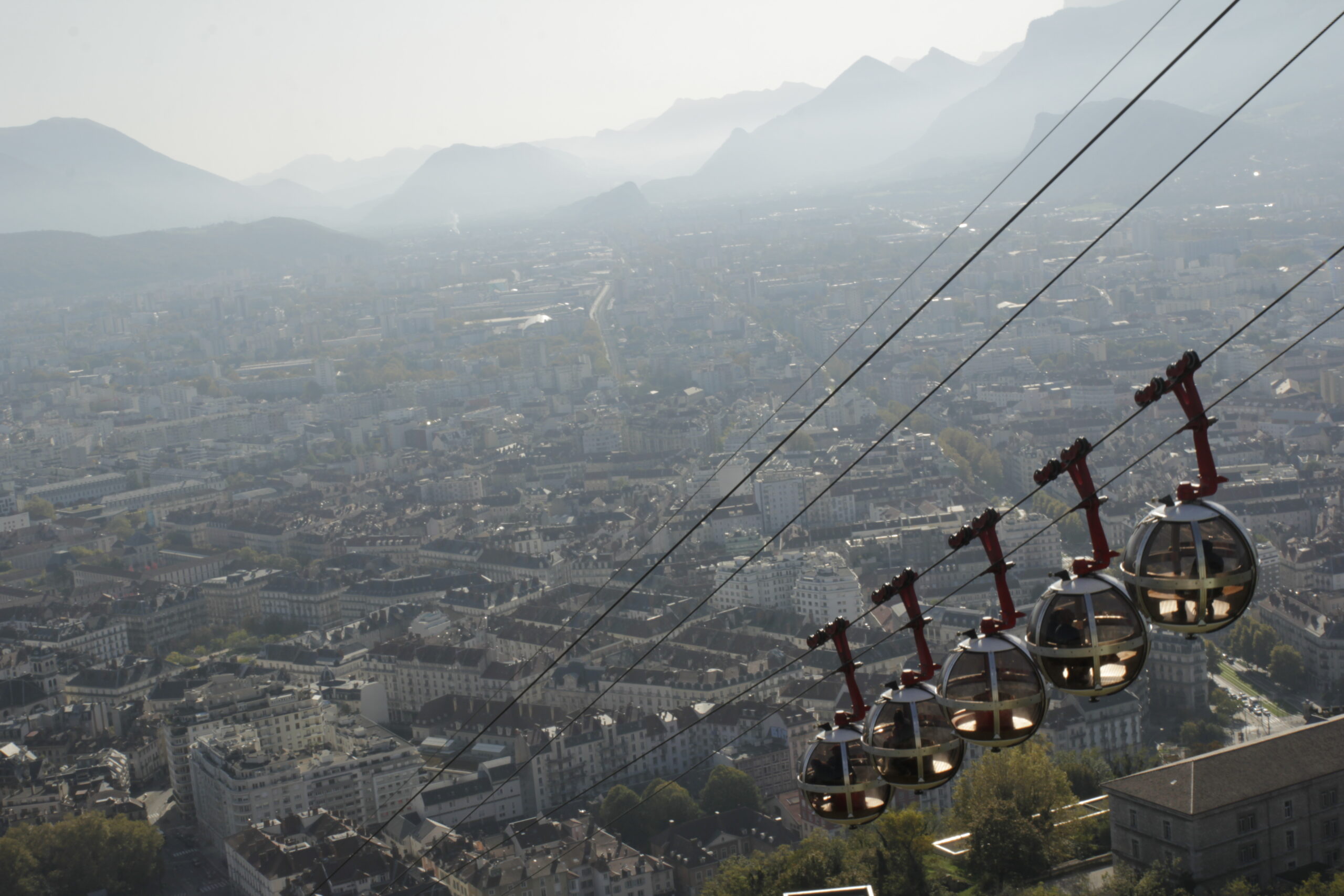
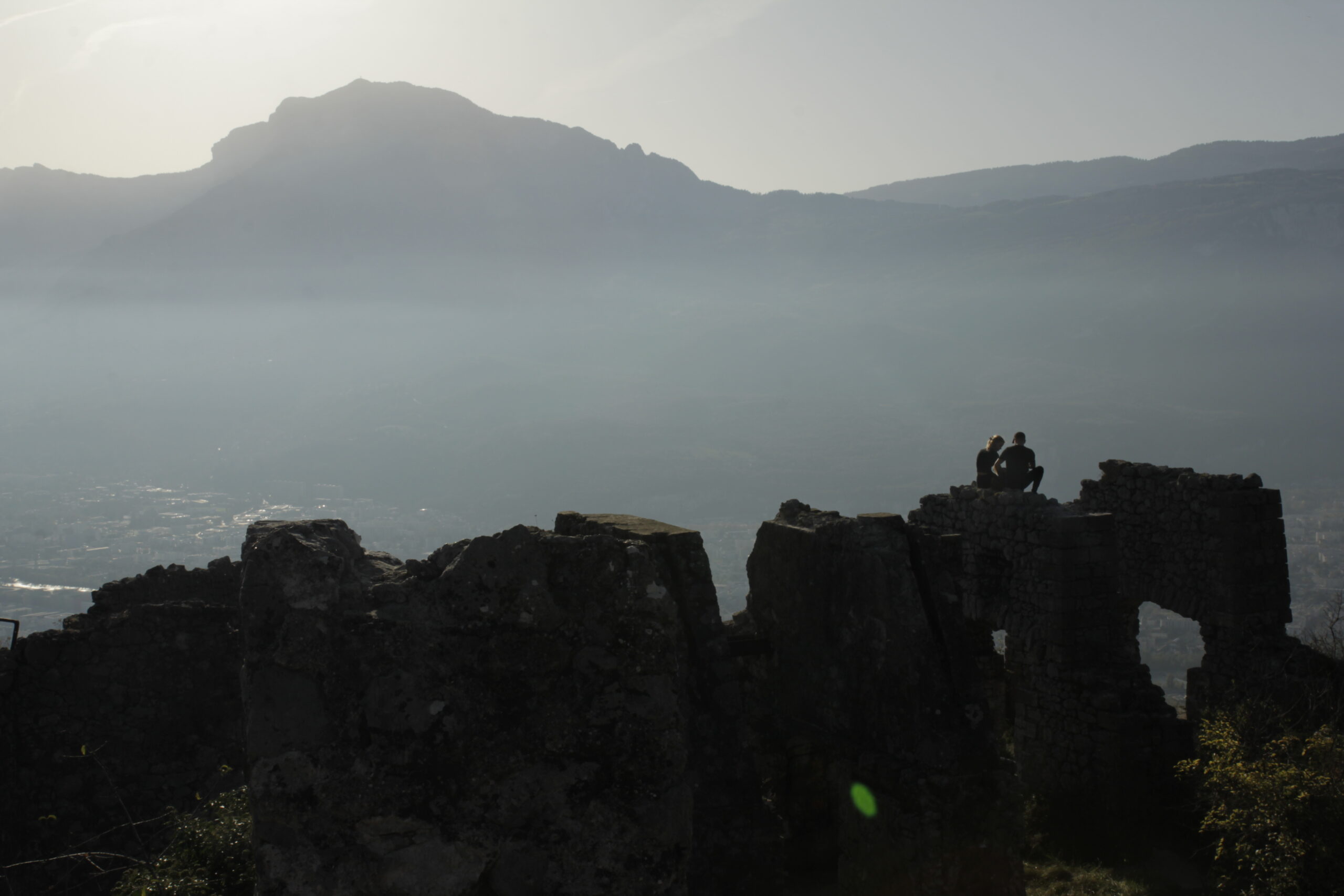
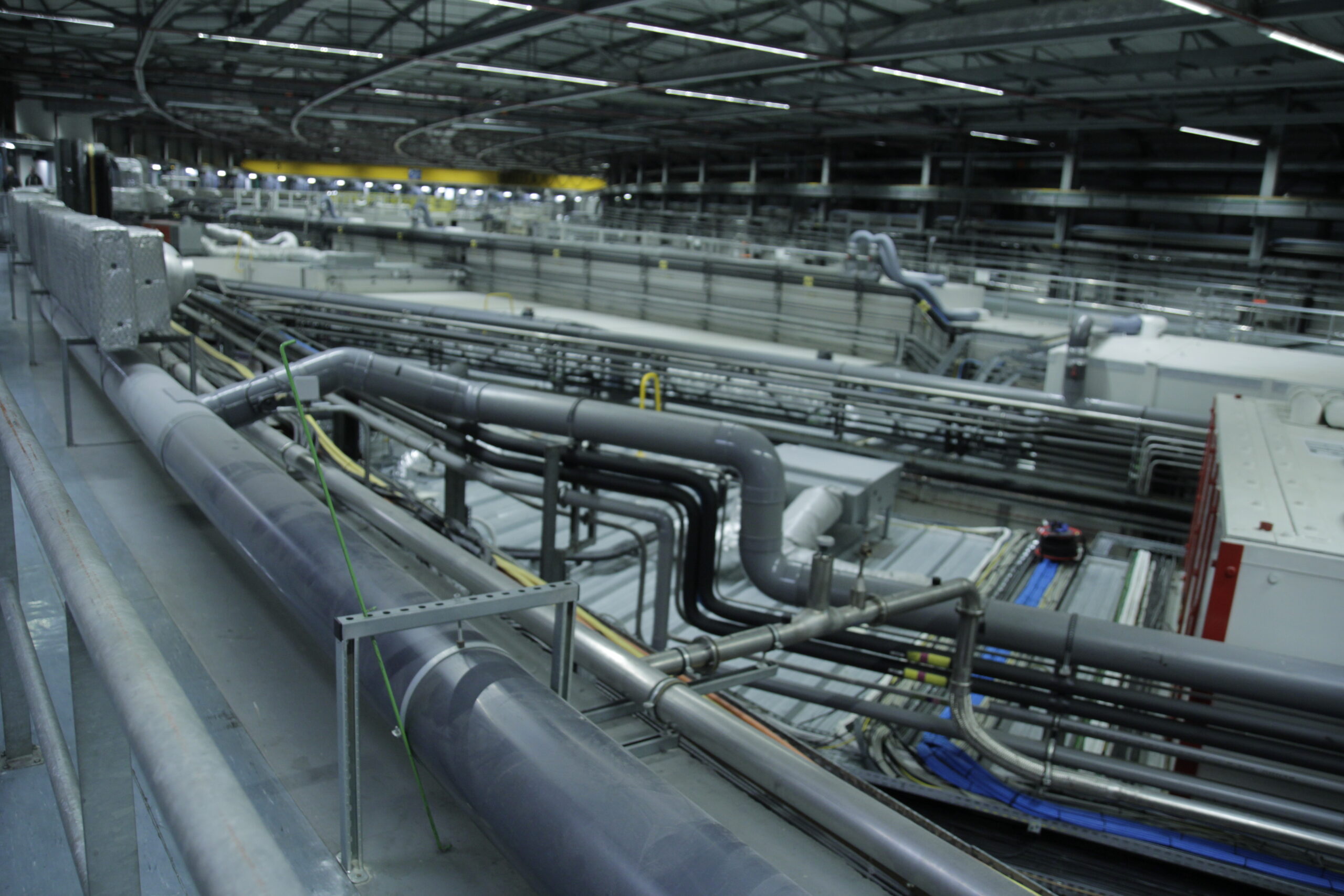
Students could also choose from a range of practical sessions. Emilia participated in X-ray absorption spectroscopy, Mössbauer spectroscopy and EPR spectroscopy, and attended a class on theoretical methods. The CNRS campus and synchrotron are amazingly well prepared, and the view of the surrounding mountain ranges is simply stunning. As the bus drivers went on strike on the day of the synchrotron trip, and Emilia was too afraid of missing it to wait and see if the organisers would arrange a private bus, she had an additional opportunity to stroll around the city. Believe me, there are so many places to explore!
The classes progress quickly from beginner to advanced level, so there is something for everyone. They are organised to provide plenty of practical examples, making it easier to benefit from the practical sessions. Many thanks to the organisers. Great job!
Emilia’s visit was financed from the National Science Centre NCN Sonata grant no. 2020/39/D/ST4/02256