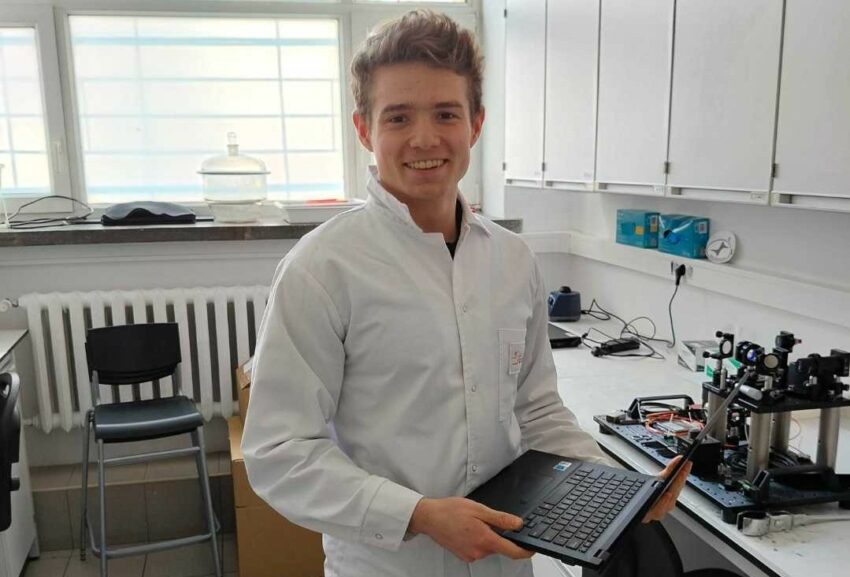
From 17 February, Sensor Arrays got a new group member, Damian Gierek. Damian is a master’s student at the Department of Physics, University of Warsaw, where he specialises in computer modelling of physical phenomena. His academic background combines solid training in physics with a strong computational focus, particularly in the application of modern data‑driven methods…
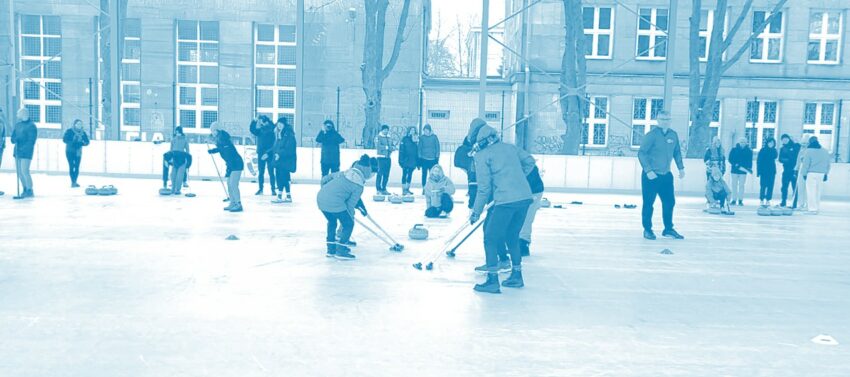
Annual curling championship
On 15 February 2025, the team had an opportunity to meet in a more relaxed and informal setting during a curling lesson at one of Warsaw’s ice rinks. Under the guidance of experienced instructors, we learned the basics of curling. This sport combines precision, teamwork, and strategy, and its far more challenging in practice than…
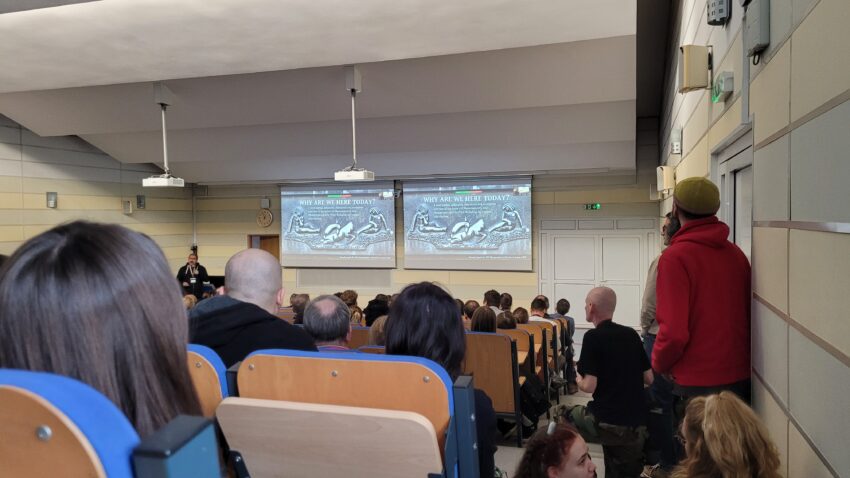
Group 12 at annual microsymposium
From January 13 to 15, 2025, the Institute of Physical Chemistry (IChF) held its annual reporting Microsymposium, which for the first time welcomed members of the newly established International Advisory Board (IAB). The three-day event provided a comprehensive overview of the Institute’s scientific achievements in 2024. It served as an important forum for direct dialogue…
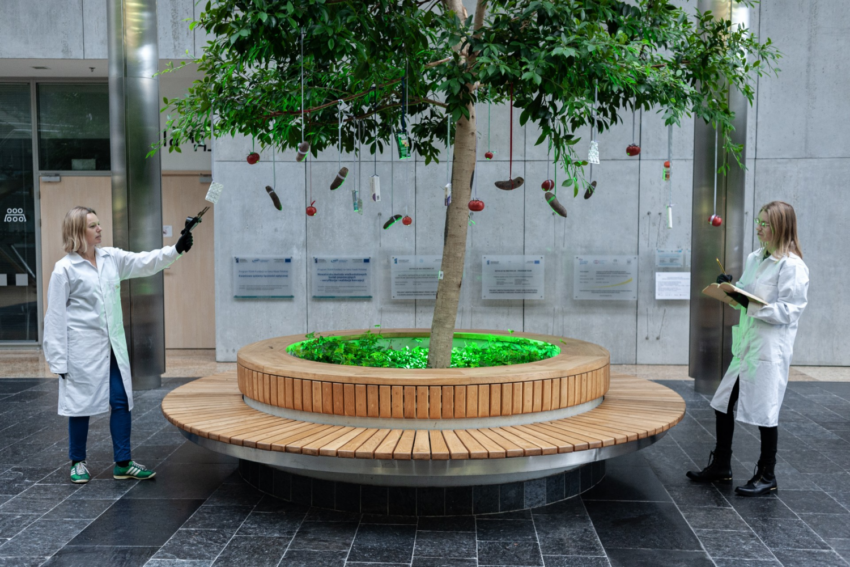
Syringe sensors go pop-science
This story started as a means to make ends meet in a startup. The syringe‑based sensors were originally developed within a Sensoliq startup project, in which the group developed a sensor array capable of evaluating taste-masking strategies for Adamed’s pharmaceutical formulations. Sensoliq needed a large number of potentiometric sensors of traditional construction (with an internal…
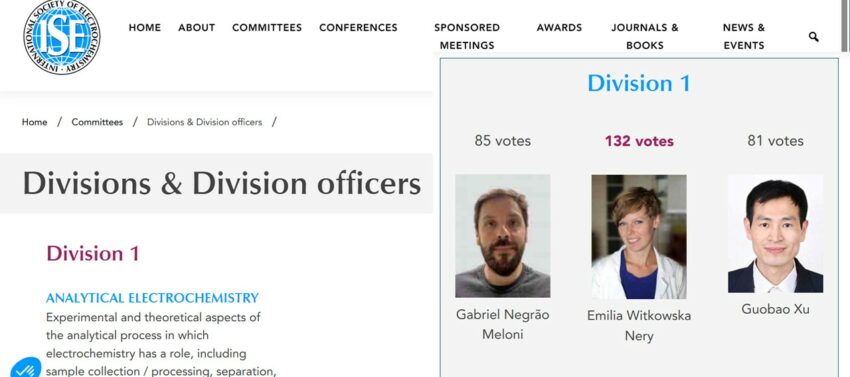
Emilia chosen chair-elect of Division 1 of the International Society of Electrochemistry
The International Society of Electrochemistry (ISE) plays a central role in advancing electrochemical science worldwide by fostering collaboration, supporting early‑career researchers, and promoting excellence across diverse subfields of electrochemistry. The society’s annual meeting brings together thousands of electrochemists. One of the Society’s key strengths lies in its scientific divisions, which provide focused communities for discussion,…
Exploring the World of Potentiometric Sensors with students from Krajowy Fundusz na Rzecz Dzieci
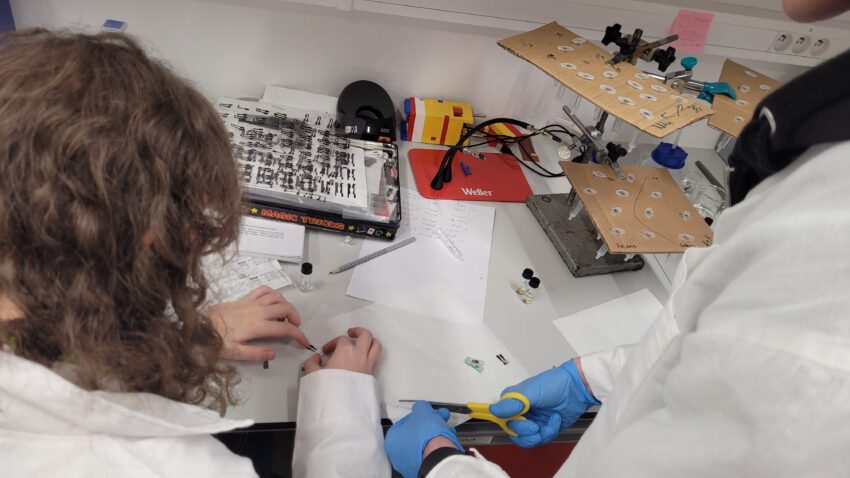
Each year, Professor Waluk organises short-term laboratory internships for students from Krajowy Fundusz na Rzecz Dzieci. This year, the Sensor Arrays group also took part in this project and, on 9 of Dezember 2024, welcomed 4 students who had the chance to learn about the science behind the group’s recent publication. choosing from three different…
Group integration
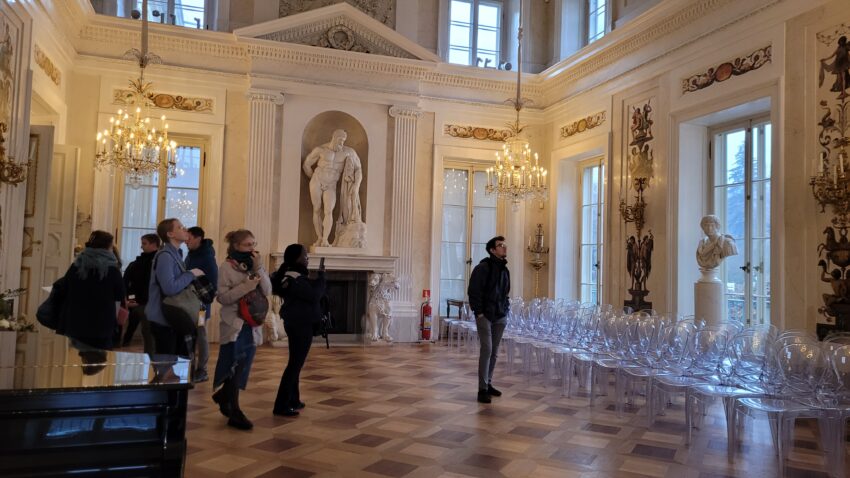
With two new group members joining us, we decided it was the perfect moment to spend some time together outside the lab. We met on 29 November 2024, starting the outing with a relaxed walk through Łazienki Park, enjoying the gardens and autumn scenery, and a quick visit to a few of the museums in…
Popularising electronic tongues – collaboration with theatre
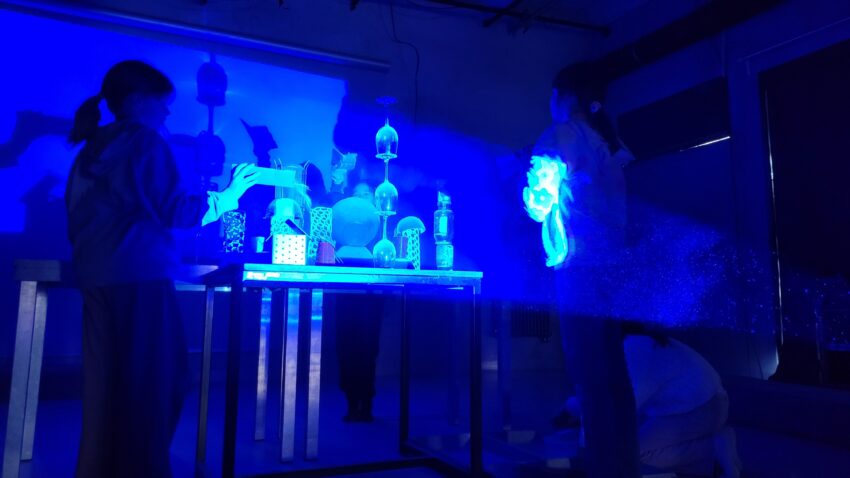
On 23rd November 2024, Emilia performed alongside the artist Gabriela Żylińska at Nowy Teatr in Warsaw as part of the programme ‘Ciała stałe, myśli lotne i inne zjawiska przyrodnicze’ (Solids, volatile thoughts and other natural phenomena). The theoretical presentation was interspersed with various experiments designed to stimulate children’s thining about senses. How complex is the…
New team member -Ntanhaning Medonjeu Morel Brinda
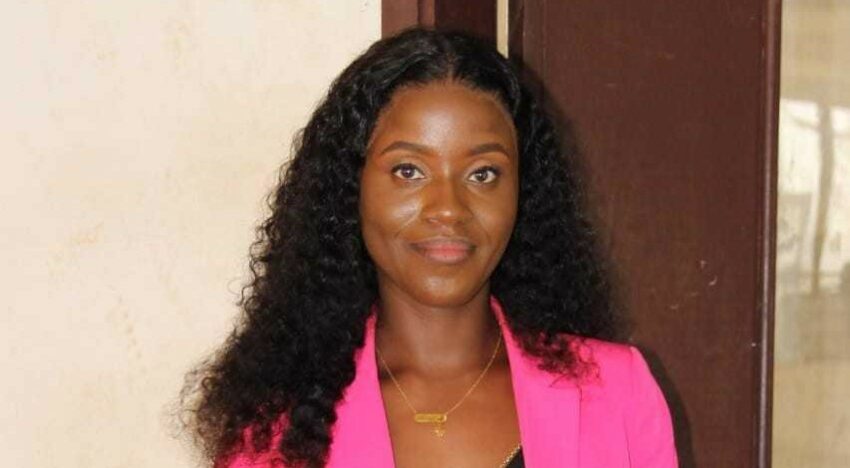
We are delighted to welcome a new member to our research team Ntanhaning Medonjeu Morel Brinda, who joined us on 22 November 2024 to begin her PhD journey within our NCN Sonata BIS project. She brings exceptional academic achievements, strong motivation, and a deep passion for electrochemistry and analytical chemistry. Ntanhaning received her Master’s degree…
Emilia explores methods to study metals in chemistry and biology at the 4th French BIC School
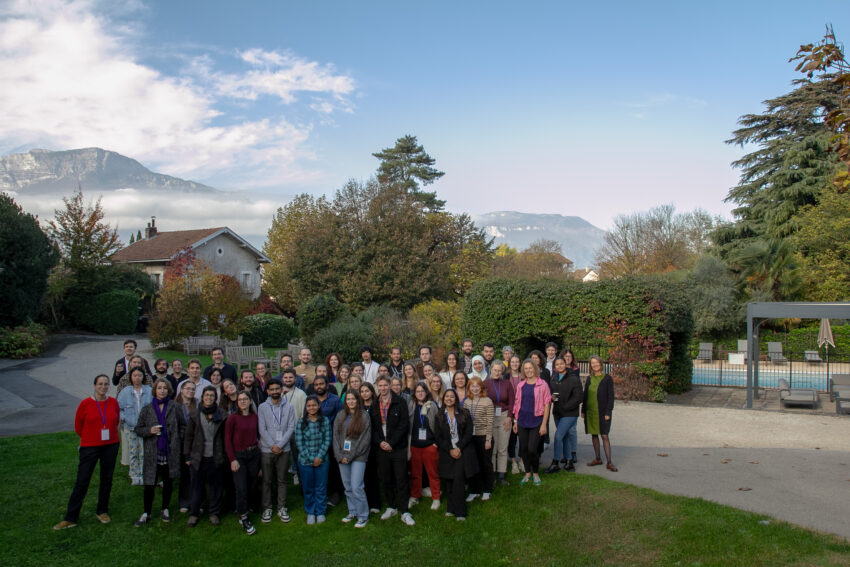
Between 4th-8th of November 2024 Emilia participated in the 4th FrenchBIC school on methods for studying metals in chemistry-biology in Grenoble. The school gathered participants working in bioinorganic chemistry and related fields in a beautiful Le Chateau de la Commanderie. It provided an overview of current methodologies and their applications in studying metal ions, metalloenzymes,…