This story started as a means to make ends meet in a startup. The syringe‑based sensors were originally developed within a Sensoliq startup project, in which the group developed a sensor array capable of evaluating taste-masking strategies for Adamed’s pharmaceutical formulations. Sensoliq needed a large number of potentiometric sensors of traditional construction (with an internal electrolyte) for the sensor array, but could not afford them, so girls (Emilia, Marta Podrażka, and Monika Prokopowicz) invented a low-cost version.
Given the construction’s ingenuity, we decided to use it to demonstrate how sensor arrays and electronic tongue methodology can push beyond the well‑known limits of potentiometry. Classical ion‑selective sensors struggle with changes in ionic strength, which affect the measured activity through activity coefficients and membrane selectivity, usually requiring careful calibration and tightly controlled samples. Instead of fighting these effects, we showed that—when treated as patterns rather than errors—they can actually be exploited.
By combining multiple syringe sensors and letting data analysis do the heavy lifting, we demonstrated measurements that would be difficult or impractical with a single electrode. The bigger message is that this approach isn’t limited to potassium sensors or syringes. The same methodology can be applied to many existing sensor technologies to improve sensitivity and even enable measurements without constant recalibration. In theory, a device like a glucometer—today limited to finger‑prick blood tests—could be adapted to measure sugar in cake, urine, or almost any complex sample, if we rethink how we read its signal.
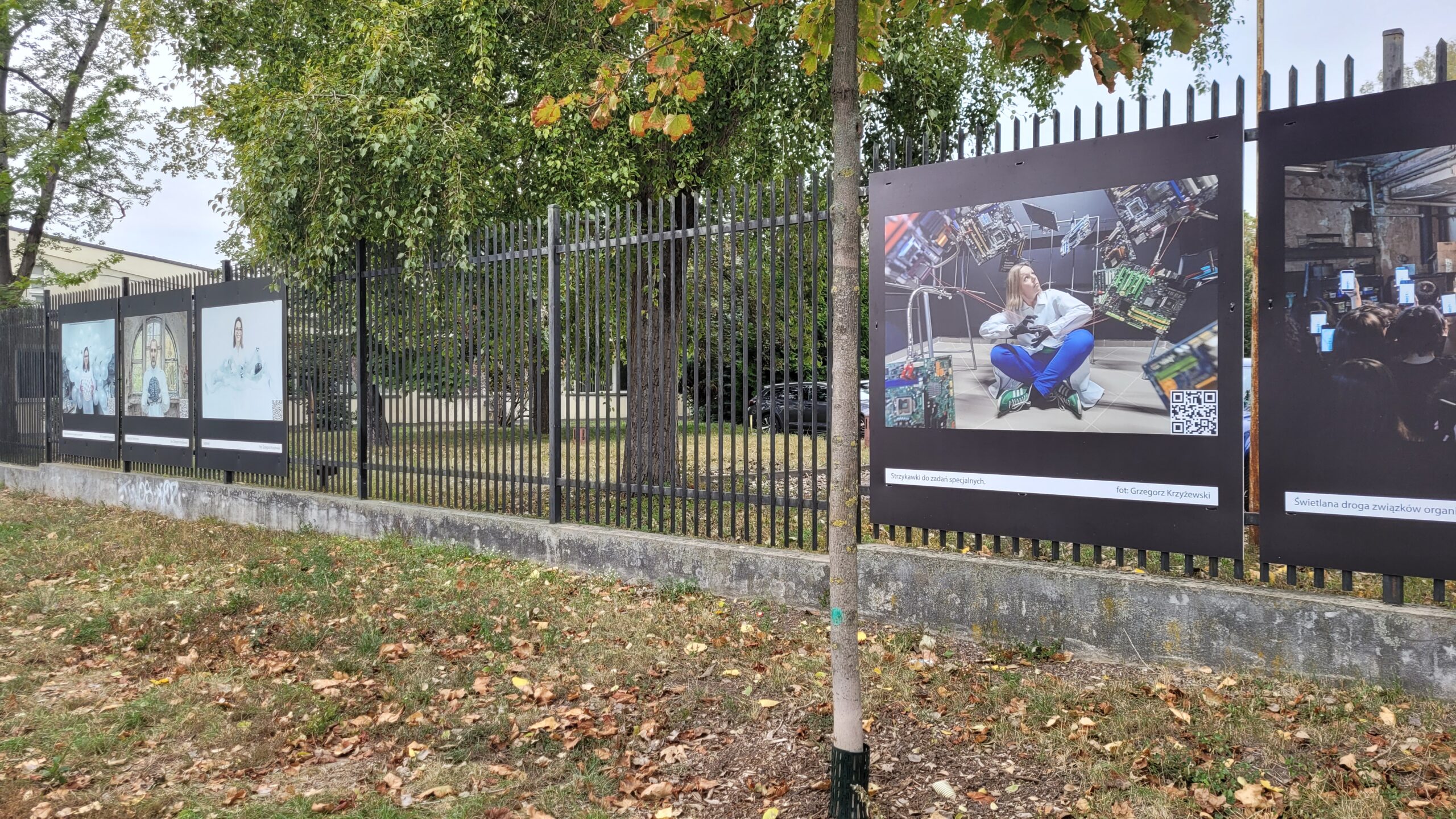
The idea resonated well beyond the lab. The English press note “Push the piston and measure” was published on the IChF PAN website and picked up by EurekAlert, giving the work international visibility. A Polish version, “Strzykawki do zadań specjalnych”, spread further through platforms such as Laboratorium360, Forum Akademickie, and Kierunek Chemia. What began as a startup prototype became a broader statement about how smart data analysis can unlock entirely new uses for sensors we thought we already understood.
More information about the journal article can be found here. Research was funded through the NCN Sonata 2020/39/D/ST4/02256 project.